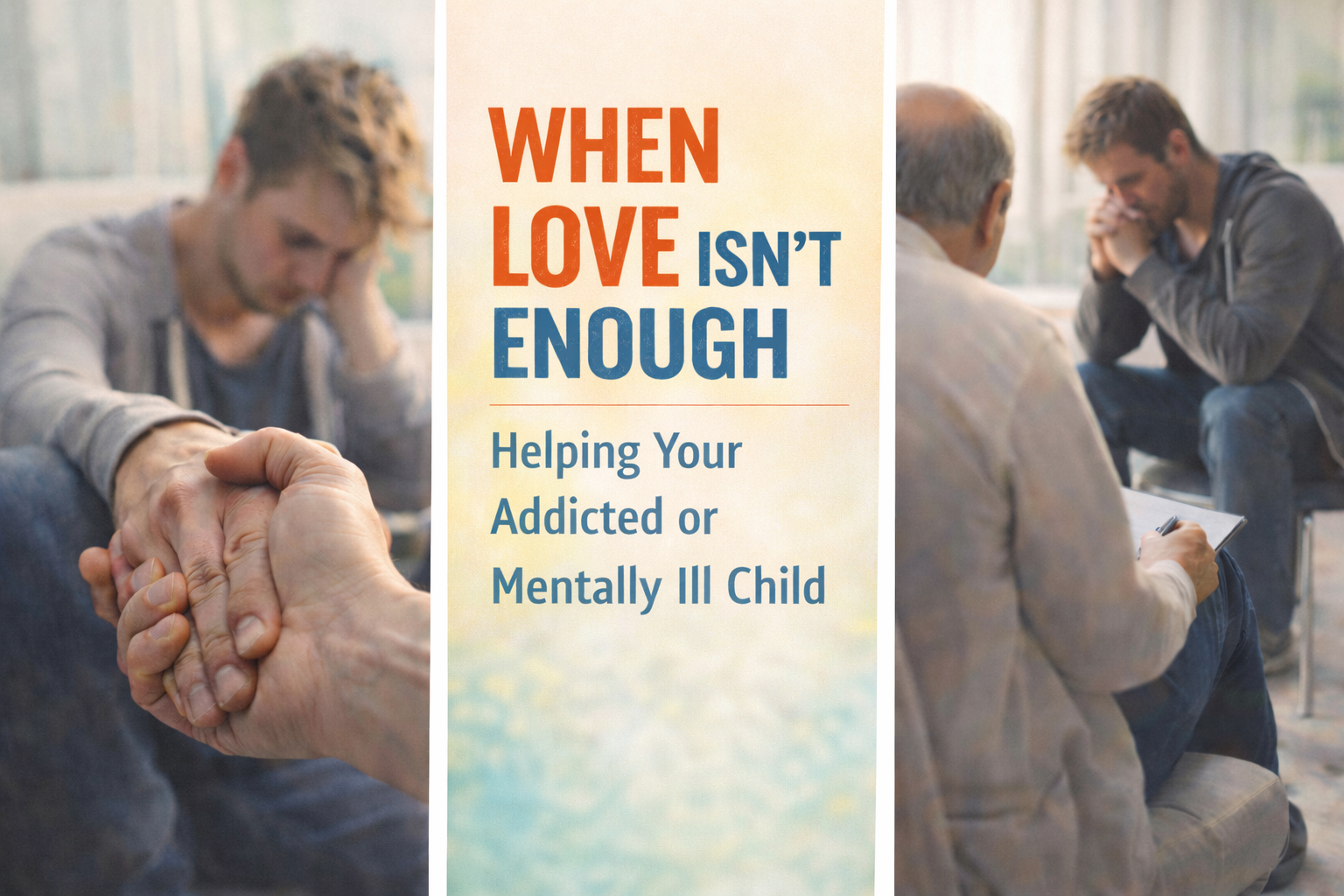
A reflection in the wake of the Rob Reiner family tragedy
The recent and devastating murder within Rob Reiner’s family has shaken a lot of people—not just because of who he is, but because of what it represents.
This wasn’t just a “celebrity tragedy.”
It was a family tragedy that echoes quietly in thousands of homes across the country.
Parents loving a child who is struggling with addiction.
Parents terrified of their child’s mental health.
Parents walking on eggshells, afraid that one wrong move—or one boundary—might push their child over the edge.
This article is not about blame.
It’s about reality.
And it’s a call—especially to parents—to stop confusing love with rescue.
The Most Dangerous Myth: “If I Don’t Step In, Something Terrible Will Happen”
Many parents live with an unbearable fear:
“If I don’t intervene, manage, soothe, pay, excuse, fix—my child might hurt themselves… or someone else.”
That fear makes sense.
It’s human.
It’s also the breeding ground for codependency.
Codependency isn’t about weakness.
It’s about love colliding with terror—and terror winning.
When fear runs the show, parents often:
-
- Over-function for an under-functioning adult child
-
- Shield them from consequences
-
- Mistake proximity for help
-
- Confuse control with care
And slowly, without meaning to, they become part of the illness instead of part of the solution.
This Is Where AL-ANON Gets It Right
AL-ANON isn’t cold.
It isn’t cruel.
It isn’t about abandonment.
It’s about clarity.
AL-ANON understands something modern parenting culture often refuses to say out loud:
You cannot heal someone by sacrificing yourself—and you cannot protect them from consequences without robbing them of the chance to grow.
The AL-ANON framework offers parents something radical:
A way to love without enabling.
Put Your Oxygen Mask On First (This Is Not a Metaphor)
One of the hardest truths for parents to accept is this:
Your own support is not optional—it is essential.
If you are emotionally flooded, terrified, exhausted, or consumed by your child’s crisis, you will not make wise decisions. You will make reactive ones.
AL-ANON is clear:
-
- You get help first
-
- You attend meetings
-
- You build your own support system
-
- You learn to tolerate your child’s distress without collapsing into it
This isn’t selfish.
It’s stabilizing.
A regulated parent is far more helpful than a panicked one.
Encouraging Help Without Becoming the Help
Here’s where many parents get stuck.
They say, “I’m just trying to help.”
But what they’re actually doing is taking ownership of a journey that doesn’t belong to them.
A healthier approach looks like this:
-
- You offer options, not ultimatums
-
- You might send an email with a few therapists or programs you trust
-
- And then—you stop
You don’t call.
You don’t schedule.
You don’t manage follow-ups.
You don’t chase.
Why?
Because change begins with ownership.
The first act of recovery—whether from addiction or mental illness—is making the call yourself.
Understanding Enabling (And Why It Feels Like Love)
Enabling doesn’t feel harmful.
It feels loving, protective, even heroic.
But enabling:
-
- Softens consequences that might otherwise interrupt the illness
-
- Communicates “You can’t handle this without me”
-
- Keeps the parent stuck in hypervigilanceHypervigilance is an increased state of alertness and sensitivity to potential threats, commonly exp…
-
- Prevents the child from developing internal responsibility
AL-ANON teaches parents to ask a brutal but necessary question:
“Is what I’m doing helping my child grow—or helping them avoid?”
If it’s the latter, it’s not support.
It’s sedation.
Do Not Respond to Threats or Emotional Blackmail
This part is uncomfortable—but critical.
Some adult children, consciously or unconsciously, learn that:
-
- Threats of self-harm
-
- Emotional collapse
-
- Weaponized diagnoses
…can control their parents.
This doesn’t mean the suffering isn’t real.
It means the communication is coercive.
Responding to threats reinforces the dynamic.
AL-ANON teaches:
-
- Take threats seriously—but don’t negotiate with them
-
- Call professionals when safety is truly at risk
-
- Do not allow your child’s mental health to become a bargaining chip
You are allowed to say:
“I love you, and I’m not able to do that.”
Love Without Enabling Is the Hardest Kind of Love
You can love your child deeply
and refuse to bankroll their illness.
You can be compassionate
and hold boundariesBoundaries in group therapy are the limits established to maintain a safe and respectful environment….
You can support recovery
without becoming the recovery.
Sometimes the most loving thing a parent can do is step out of the way—and let reality do what love alone cannot.
Final Word
Tragedies like the Reiner family murder force us to confront something we’d rather not see:
Unmanaged illness plus blurred boundaries plus fear-driven enabling can be combustible.
This is not about predicting violence.
It’s about interrupting unhealthy systems before they collapse.
If you’re a parent living in quiet terror, this is your permission slip:
Get help.
Go to AL-ANON.
Talk to someone who understands this terrain.
You are not abandoning your child.
You are choosing a form of love that actually has a chance to work.
If you are the one struggling or are the one struggling to help. We are here, give us a call.